
Your home, your choice
Choose natural gas for affordable and reliable energy at home
Natural gas is the smart energy choice for your home
Your home is unique, and so is your energy choice. Relying on one source can mean higher costs and outages, but having options — like natural gas — lets you choose the best energy for each job. Affordable, reliable, and built for Canadian homes, natural gas keeps your home warm, your meals cooking, and your energy secure — whenever you need it.
In a busy kitchen, reliability matters.
See why chefs use natural gas to keep the heat steady and the food flowing — serving their customers and their community.
Reliable energy, no matter the weather

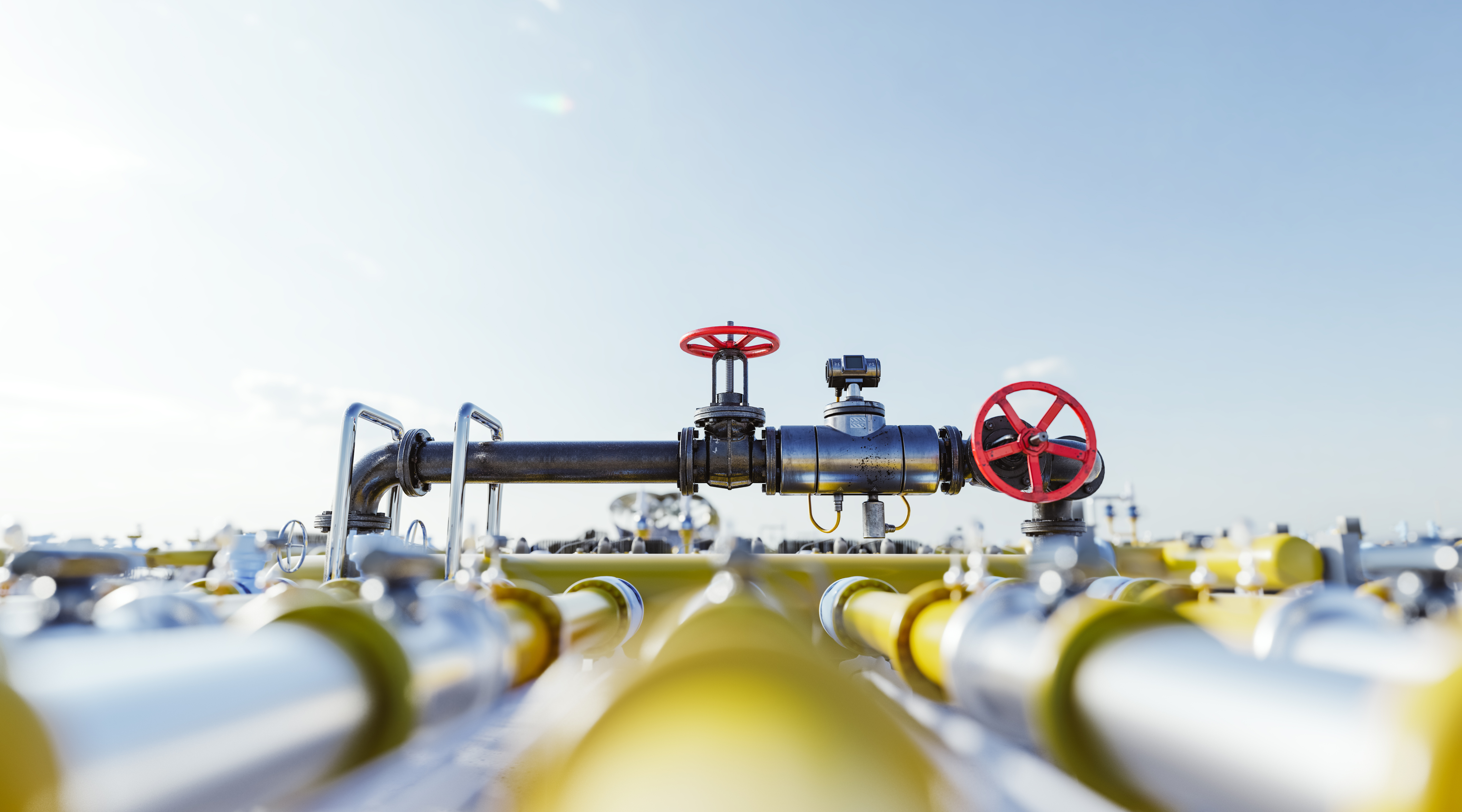
Canadian weather can be harsh, with temperatures swinging 40 degrees or more. You need an energy source that can handle it all. Natural gas is delivered through a vast underground network, making it more reliable than above-ground energy sources that can be vulnerable to weather events. That means fewer disruptions and peace of mind, keeping your home warm, your water hot, and your appliances running through every season.
Source: “Bettering Canadian Lives: Harnessing the Canadian Gas Energy Opportunity”
Did you know?
Canada’s natural gas system delivers nearly 40% of the country’s energy needs through nearly 600,000 km of infrastructure — long enough to circle the Earth more than 14.5 times!
Source: CGA Corporate Profile 2023
Source: Canada Energy Regulator
Plenty of energy, plenty of savings

Canada has a huge supply of natural gas — 1,368 trillion cubic feet —enough to last over 200 years. Its abundance makes natural gas one of the most affordable ways to fuel your home. Natural gas is also the lowest cost per unit of energy available and is one of the most affordable sources of home heating in many parts of the country.
Choosing the right energy for the right job makes your home more efficient and cost-effective. In fact, using natural gas could save you between $500 and $2,400 a year compared to other energy sources.
Source: Canada Energy Regulator
Source: CGA statistics
Households that use natural gas save up to $1,600 on average annually compared to alternative options. Reduction in energy costs is more money for families and businesses.
Source: CGA statistics
Always available for moments that matter

Energy storage is incredibly important for ensuring your energy is resilient and reliable when there are peak demands, for example, a deep freeze. Another built-in advantage of Canada’s natural gas is its ability to store enough energy to handle more than 50 days of peak demand. When it comes to storing energy, natural gas outperforms electric batteries by a huge margin.
Source: Canada Energy Regulator
Source: CGA statistics
Think of it this way: if a battery holds a gallon of energy, natural gas storage is an Olympic-size pool — ready to deliver energy when demand spikes, keeping prices stable and homes powered.
Canada has 948 billion cubic feet of underground natural gas storage capacity. This is enough to heat 11.5 million residential customers for one year.
Source: Canada Energy Regulator
Source: “Bettering Canadian Lives: Harnessing the Canadian Gas Energy Opportunity”
Safe and reliable delivery

At the heart of every Canadian home fuelled by natural gas is a commitment to safety and reliability. Canada’s gas utilities prioritize the well-being of the workers and the public by maintaining world-class infrastructure and constantly innovating to ensure the natural gas you depend on is delivered safely and securely.
Did you know?
Natural gas is colourless and odourless on its own. Mercaptan, a pungent smelling additive that smells like rotten eggs is added as a safety feature to make it easier to detect leaks.

If you smell gas:
- Leave the home/building immediately and take others and pets with you.
- If you are outside when you smell the gas, leave the area immediately.
- Avoid causing a spark, which might cause the gas to ignite:
- Do not light a match or smoke.
- Do not turn appliances or lights on or off.
- Do not use a flashlight.
- Do not start a car.
- Do not use a phone.
- Find a phone away from the area and call 911 or your natural gas utility. You can report leaks anonymously. Always call to report the problem. Do not assume someone else will do it.
Learn more about safety tips on leaks, carbon monoxide, and dig safe tips from your local utility.
Click on your province below to get the information:
Make your home winter-ready
A few seasonal checks can help your natural gas equipment operate safely and reliably throughout the winter months.
Winter safety checklist
- Check that outdoor meters and exhaust outlets remain unobstructed. Keep exterior vents and your natural gas meter clear of snow, ice, and debris so appliances can vent properly. After a storm, gently use a broom or soft brush to clear snow or ice from your meter cover, regulator, and vents, and remove any large icicles hanging above or on the meter and vents to prevent damage or blocked airflow.
- Maintain a clutter-free zone around your furnace, water heater, and other gas appliances. Remove anything that could block air supply or pose a fire risk, such as rags, newspapers, boxes, or other debris, to help appliances operate safely and efficiently.
- Test carbon monoxide (CO) alarms and ensure there is one on every level of your home. Replace batteries as needed.
- If you notice unusual appliance performance, contact a licensed professional.
These simple steps help protect your home, support efficient heating, and keep your household safe all winter long.
Natural gas – essential for a reliable energy mix

Built for today, ready for tomorrow
Canada’s vast natural gas infrastructure is adaptable and constantly evolving, seamlessly integrating innovations like renewable natural gas (RNG) and hydrogen. These energy sources can be delivered through the same reliable network, reducing emissions while ensuring affordable, efficient and reliable energy for the future.
Source: Canadian Climate Institute (CCI) report recommendations would leave Canadians in the cold.

Keeping the lights on
Electricity is a big part of energy that powers modern life. But electricity is a technology, not a fuel source. Electricity needs a fuel source to work — whether that’s water, uranium, wind, the sun, or natural gas. Natural gas continues to play a key role in electricity generation, with demand for natural gas-fired power steadily increasing each year over the past two decades — a trend that is expected to continue into the future. Its reliability makes it a critical part of Canada’s energy mix.
Source: National Inventory Report
Reliable backup for renewables
Wind and solar power are great energy sources, but aren’t available all the time. Natural gas is always there to step in when the sun isn’t shining or the wind isn’t blowing, making sure the electricity grid stays reliable when it’s needed most.
Source: National Geographic
Did you know?
An average electric customer would expect 2.5 outages per year, the average gas customer would expect to experience one gas outage every 68 years.
Source: “Bettering Canadian Lives: Harnessing the Canadian Gas Energy Opportunity”
Learn more about the many ways natural gas fuels your home
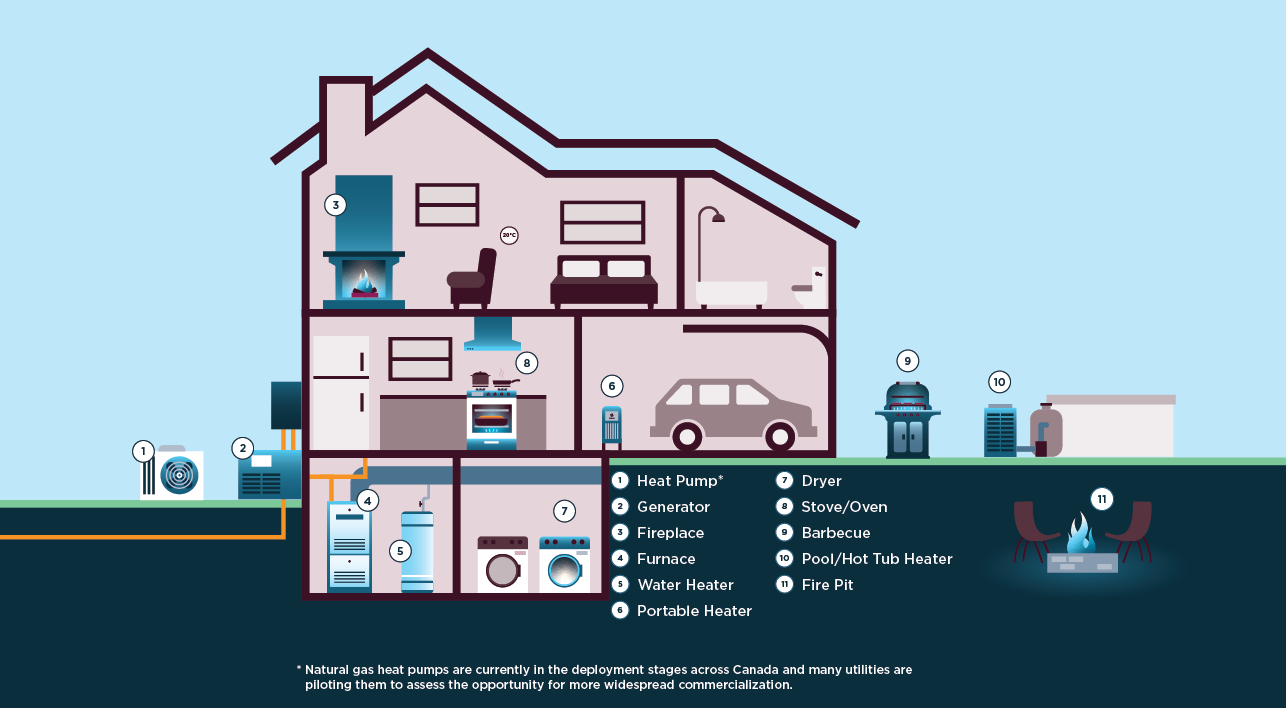
Learn more about gas energy


Did you know? Natural gas infrastructure supporting your summer comfort is underground.
Canada’s natural gas system combines underground storage with nearly 600,000 kilometres of pipelines to move energy where and when it is needed. During a heat wave, natural gas can be delivered to power generators as electricity demand rises, helping keep your home cool.
Learn more: myhomeenergy.cga.ca/#home
#didyouknow #myhomeenergy

Canadians are always looking for ways to make their household budget go further.
With an abundant domestic supply that could last for more than 200 years, natural gas is an affordable energy option for Canadians. In fact, choosing natural gas for the right jobs around your home could save between $500 and $2,400 per year compared to other energy sources.
That's money that can stay in your pocket for family activities, summer getaways, or everyday essentials.
Learn more at: myhomeenergy.cga.ca/#affordable
#myhomeenergy #energyaffordability
From hockey practice nights to Sunday family dinners, Canadian households rely on energy that fits real life.
Natural gas gives families another reliable option for home heating, cooking and everyday comfort — helping them choose what works best for their home, budget and routine.
Learn more: myhomeenergy.cga.ca/#energy-choice
#myhomeenergy #EnergyChoice
Canadian summers mean long days, backyard fun and a cool place to come home to—including a designated spot by the fan for the family pup.
As electricity demand rises, natural gas helps support the grid and keep air conditioners running when Canadians need them most. It is one way different energy sources work together to deliver reliable energy through the hottest days of summer.
#summerheat #HomeComfort #naturalgas #myhomeenergy
Backyard meals. Long weekends. Time with family and friends.
Summer is full of moments worth enjoying.
When the BBQ is done, remember to turn off the grill—and the natural gas supply. It's a simple safety habit that can help keep those moments focused on what matters most.
Safe habits help make great memories.
Learn more at: myhomeenergy.cga.ca/#safe
#myhomeenergy #bbqseason #summersafety #backyardliving #canadiansummer